Essential Oils and Sunshine: Understanding Photosensitivity
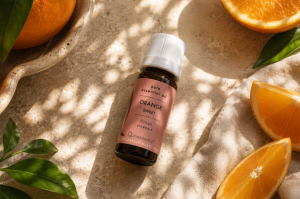 As the days become longer and the sunshine gets stronger, many of us naturally reach for bright, citrusy essential oils. Their fresh, uplifting aromas are perfect for summer, helping to create an energising atmosphere at home or adding a refreshing touch to your wellbeing routine.
While these oils are wonderful to use, it’s helpful to know that a small number of essential oils can increase your skin’s sensitivity to sunlight. This is known as photosensitivity, and understanding it means you can continue to enjoy your favourite oils with confidence.
What is photosensitivity?
Photosensitivity is a temporary reaction that can occur when certain essential oils are applied to the skin before exposure to ultraviolet (UV) light from the sun.
If enough of a photosensitising oil has been applied and the skin is exposed to strong sunlight, it may become more prone to redness or irritation, similar to an exaggerated sunburn.
The good news is that this only affects a relatively small number of essential oils, and it’s easy to avoid with a few simple precautions.
Which essential oils can be photosensitising?
Photosensitivity is most commonly associated with certain cold pressed citrus oils, including:
These oils naturally contain compounds called furanocoumarins, which are responsible for the photosensitive effect.
Can I still use these oils?
Absolutely.
Photosensitive essential oils remain popular because they offer beautiful aromas and wonderful therapeutic qualities. They simply require a little extra care when being applied to the skin.
There are plenty of ways to enjoy them without any concerns, including:
- Diffusing them around your home.
- Adding them to room sprays.
- Using them in natural cleaning blends.
- Enjoying them in personal inhalers.
When diluted for massage or skincare, simply avoid exposing the treated area to direct sunlight for around 12 to 24 hours, depending on the oil and the amount used.
Bergamot vs Bergamot FCF: What’s the difference?
Traditional Bergamot essential oil naturally contains compounds called furanocoumarins, which can make the skin more sensitive to sunlight.
Bergamot FCF (Furanocoumarin Free) has these compounds removed, making it a popular choice for massage oils, skincare products, and other leave on blends used during the summer months or before spending time outdoors.
Both oils have the same beautifully fresh, uplifting citrus aroma and many of the same aromatic qualities. The main difference is that Bergamot FCF can be used on the skin (still diluted) without the same concerns about photosensitivity.
Not all fresh smelling oils are citrus
A fresh, zesty aroma doesn’t always mean an essential oil is phototoxic. Some oils have bright citrus-like scents but actually come from herbs or leaves rather than citrus fruits.
Examples include Lemongrass, Lemon Myrtle, Eucalyptus Citriodora. Although they have wonderfully fresh, lemony aromas, they are not known to cause photosensitivity like certain cold pressed citrus oils.
As always, it’s important to use all essential oils at the recommended dilution and follow the guidance provided for each individual oil.